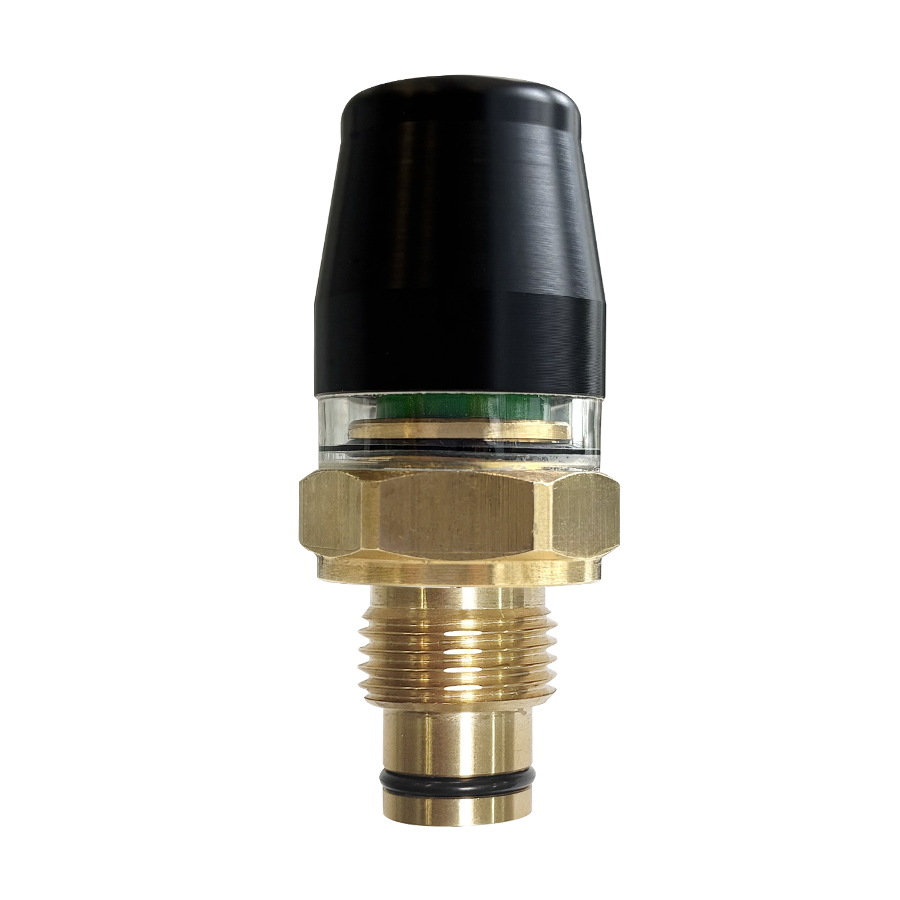
PDV – Differential pressure switch – visual clogging indicator
 DOWNLOAD PDF
  REQUEST AN OFFER
  SHOP
SHOP Line pressure ready for delivery
- - PTE250GAIWDR14 ELECTRONIC TRANSDUCER 0-250 BAR 4-20mA - RELATIVE PRESSURE - 1% ACCURACY - MINI DIN 43650 FORM C CONNECTOR - G1/4" PARALLEL THREAD
- - PTE250GAIWMR14 ELECTRONIC TRANSDUCER 0-250 BAR 4-20mA - RELATIVE PRESSURE - A ACCURACY - M12 CONNECTOR
- - PTE200GAIWMR14 ELECTRONIC TRANSDUCER 0-200 BAR 4-20mA - RELATIVE PRESSURE - A ACCURACY - M12 CONNECTOR
- - PTE100GAIWMR14 ELECTRONIC TRANSDUCER 0-100 BAR 4-20ma - RELATIVE PRESSURE - A ACCURACY - M12 CONNECTOR
- - PTE10GAIWMR14 ELECTRONIC TRANSDUCER 0-10 BAR 4-20mA - RELATIVE PRESSURE - A ACCURACY - M12 CONNECTOR
- - PTE10GAVWMR14 ELECTRONIC TRANSDUCER 0-10 BAR 0-10V - RELATIVE PRESSURE - 1% ACCURACY - M12 CONNECTOR
Differential pressure switch
A pressure switch is defined as “differential” because it does not monitor individual pressure levels but rather the difference between two distinct pressure values. When the difference between P2 and P1 exceeds a certain predetermined range, the pressure switch activates.
Where is a differential pressure switch applied?
Differential pressure switches (PDV) are used to monitor the degree of clogging in a hydraulic filter. If the filter is not clogged, the pressure upstream and downstream is almost identical, while with a clogged filter, there will be a rise in downstream pressure, sufficient to activate the pressure switch. This, thanks to an indicator that changes color from green to red, will signal (visually) the anomaly.
What is the purpose of the clogging indicator in pressure switches?
It is useful for knowing when to replace the filter element because it is clogging. The device monitors the fluid pressure upstream and downstream of the hydraulic filter and alerts when the two pressures start to differ.
ADVANTAGES:
- Continuous monitoring of the filter element condition
- Indication of the filter’s efficiency status
- Optimization of filter element replacements
- Prevention of potential system contamination
- Reduction of unexpected machine downtime
- Reduction of hydraulic component repair interventions due to compromised fluid performance in the system
| Settings ΔP | 2 bar – 5 bar – 7 bar – 8 bar |
| Max. static pressure | 450 bar |
| Set point tolerance | +/- 10% |
| Fixed differential | 30% of set-point |
| Temperature tange | -25 °C +140 °C (according to diaphragm/seal material) |
| Body material | Brass |
| Diaphragm/ Seal material | HNBR – FKM |
| Threads | G1/2″ – M22 x 1.5 – M20 x 1.5 |
| Protection | IP67 |
| Certification | CE |